Back in May 2019, I started working on what I think it was at the time, the first Istio service mesh course called "Learn Istio".
It started as a ~200-page book that guided the reader through the environment setup, deploying and observing services, and explaining different mesh features.
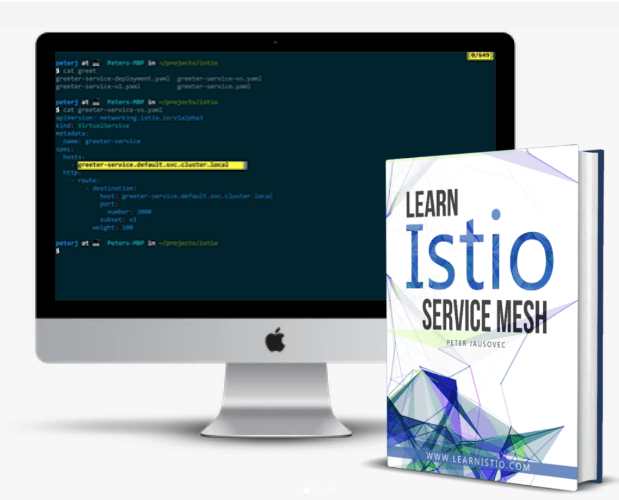
Later, I expanded the book to include cheat sheets and a full-blown video course with more than 2 hours of content.
Istio in 1.4 and 1.6
Anyone remembers Mixer? That component was removed in 1.4. How about consolidated control plane - istiod? Istio moved all functionality to a single component in 1.6.
Looking back at the features added in 1.4 and 1.6 - things like automatic mutual TLS - yeah, you had to configure a DestinationRule back then to enable mutual TLS! Also, the Authorization policy was moved to beta in the same release, and an experimental multi-cluster setup was added to Istio CLI! And then 1.6 brought the simplification with single control plane component - istiod and a better VM support with WorkloadEntries.
Istio today
Fast forward to today, almost exactly four years later, Istio 1.18 was released just a month ago. Automatic mutual TLS is a given, multi-cluster support evolved, we’ve had a single control plane for years, and a new sidecar-less mode called ambient mesh was introduced. Along the way, numerous bugs were fixed, and other features were added - even back in 2020, Istio was called out as one of the top five fastest-growing open-source projects.
Istio Steering Committee submitted a proposal to move Istio to the Graduation stage earlier this year. CNCF has three stages based on the maturity of a project:
- Sandbox
- Incubation
- Graduation
Graduated projects signal to the industry a high level of maturity, strong community, and broad adoption. Graduated projects are well-established, have demonstrated production readiness, are stable, and (are expected) to have a sustainable future.
In the past couple of weeks and months, Istio received all required votes, and today Istio is moving to the Graduated stage and joining projects like Envoy, Kubernetes, SPIFFE, and others.
With more than 30000 merged PRs, almost 9000 contributions, and constant innovation with implementations such as ambient mesh, there’s no sign of the Istio project stopping anytime soon, and graduation will only help.
Video Reference
In these past four years, I’ve been constantly involved in the Istio project, fixing a typo or two in the documentation and logging a couple of issues, but mostly talking about Istio and service mesh at conferences worldwide and creating different technical content that always tied back to Istio.
Note
I roughly counted, and there were more than 20 occasions in 2019 I either spoke about Istio or delivered a workshop. I guess I can call myself an "international speaker", right? 🙂
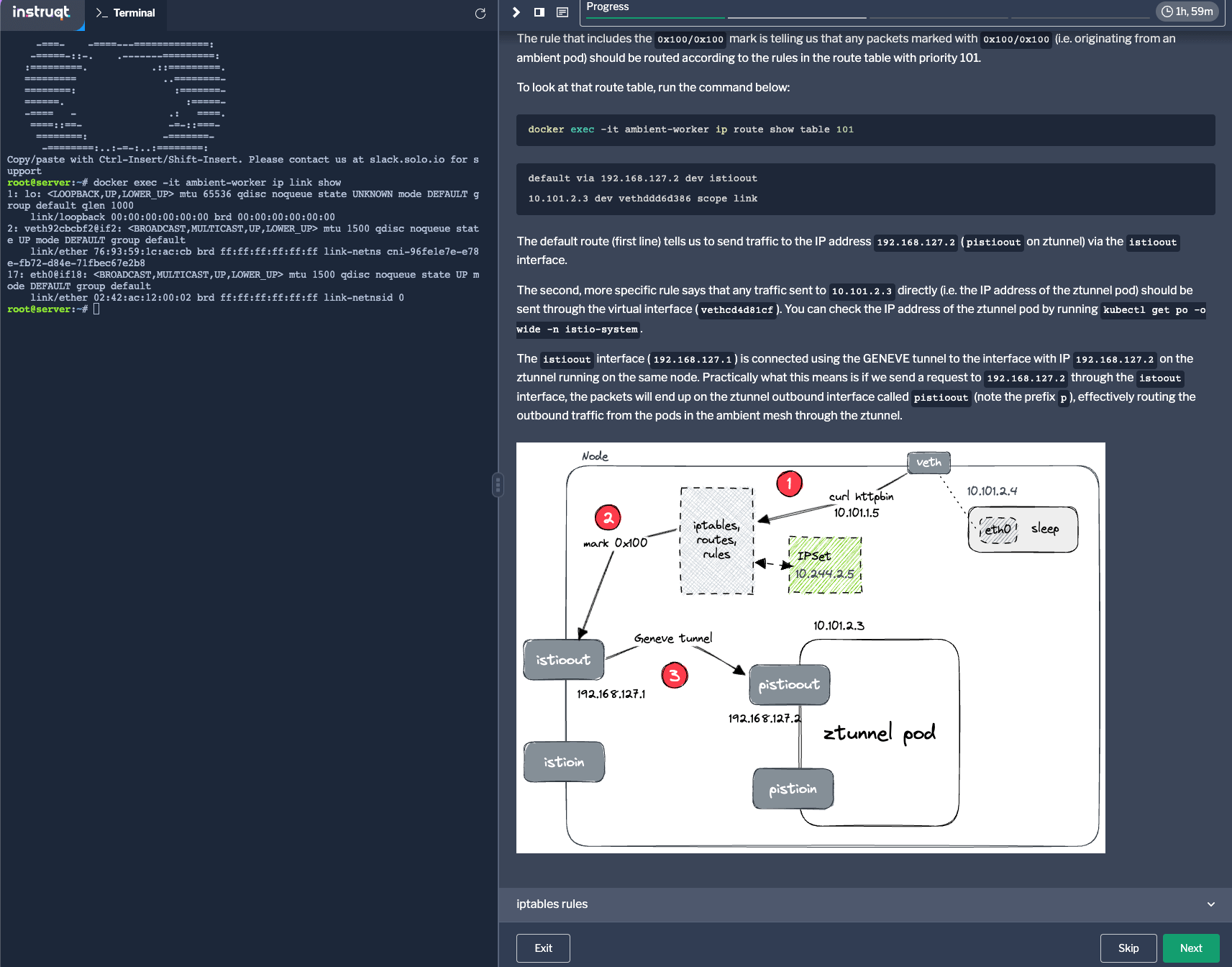
If I was writing and talking about automatic mutual TLS back in 2019, today, while still staying in the same ecosystem, I am talking about Istio ambient mesh and diving deeper into things like eBPF and Cilium.
Istio going forward
As I look ahead, the future of Istio is undeniably promising. Just as the past four years have seen Istio evolve from an incubating project to a mature, stable, and CNCF graduate status, the coming years are expected to hold even more advancements.
With Istio's graduation, the project is stepping into a phase of industry recognition and broader adoption, further technological innovation, and potentially transformative impact on the industry. Another testament to Istio projects' maturity is the enterprise offerings that feature Istio that are making a splash in the industry.
My journey with Istio has been incredibly rewarding, and I can't help but feel excitement and anticipation for what lies ahead. It also adds to my excitement that I’ve been fortunate to work with people like Christian Posta, Lin Sun, Louis Ryan, and others who’ve been instrumental in the Istio project.
I look forward to seeing Istio continue to grow and evolve, and I am excited to be a part of it.